Metal Building Insulation in Lubbock: How to Stop the Sweat
If your metal building drips, rusts, or costs a fortune to cool, the insulation is almost always the reason. Good metal building insulation in Lubbock stops moisture before it ever reaches your steel panels. Whether you own a workshop, a barndominium, or a shop building, the fall temperature swings happening right now are already testing what you have.
Why Metal Buildings in Lubbock Sweat
Metal buildings sweat because steel changes temperature much faster than the air around it. On a warm afternoon followed by a cold night, the steel cools first. Moisture in the indoor air then touches that cold surface and turns into water droplets, the same way a cold glass sweats on a hot day.
Lubbock and Plainview get these swings often in fall and spring. So you might walk into your shop one morning and find water running down the walls, puddles near the base of the panels, or damp spots on anything stored along an exterior wall. Wind and blowing dust make the problem worse, which is one reason West Texas buildings face challenges most of the country never deals with.
The heat side matters too. In summer, an uninsulated metal building traps heat and gets far hotter inside than the outdoor temperature. That same conductivity that bakes you in July is what soaks your walls in October.
The Fiberglass Problem in Steel Buildings
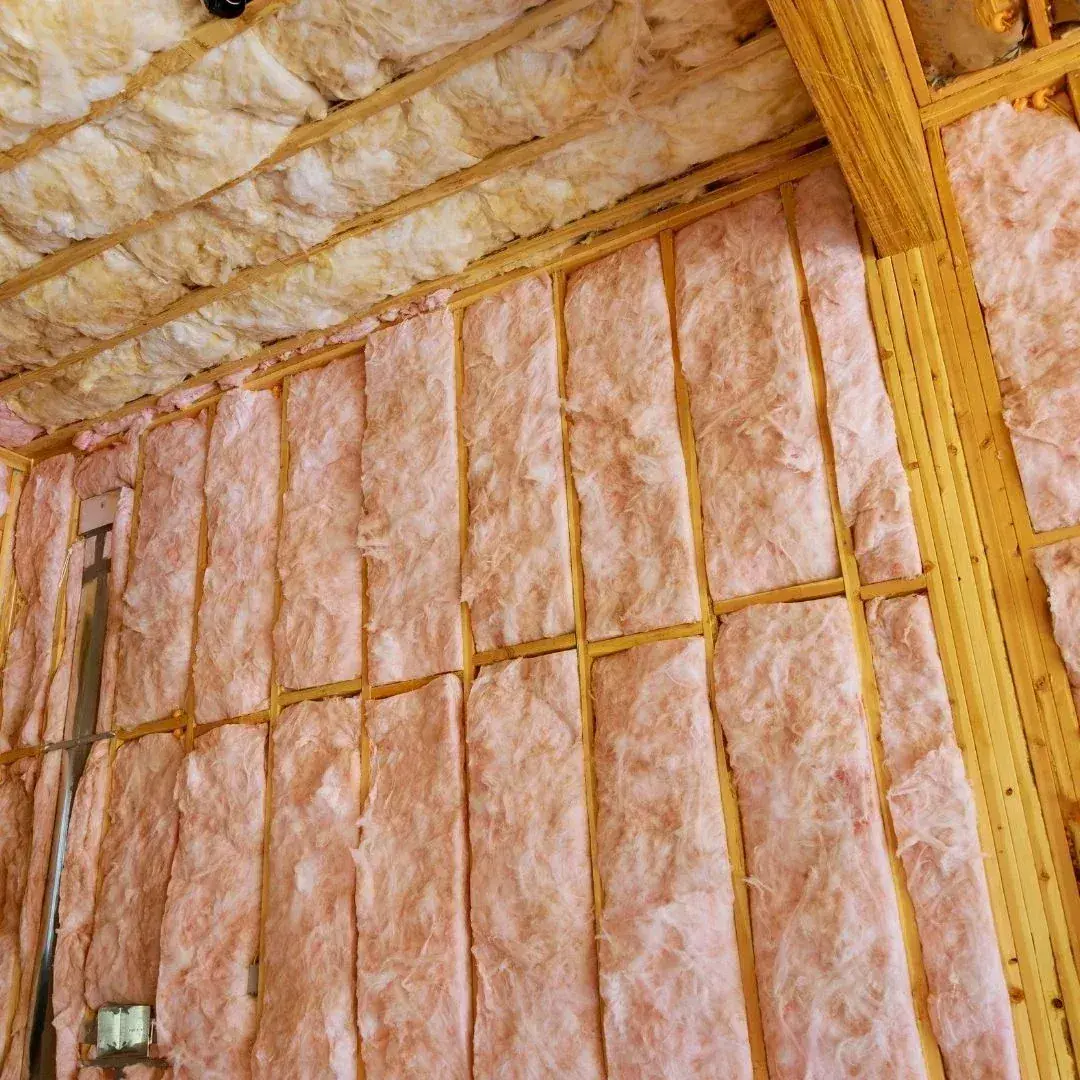
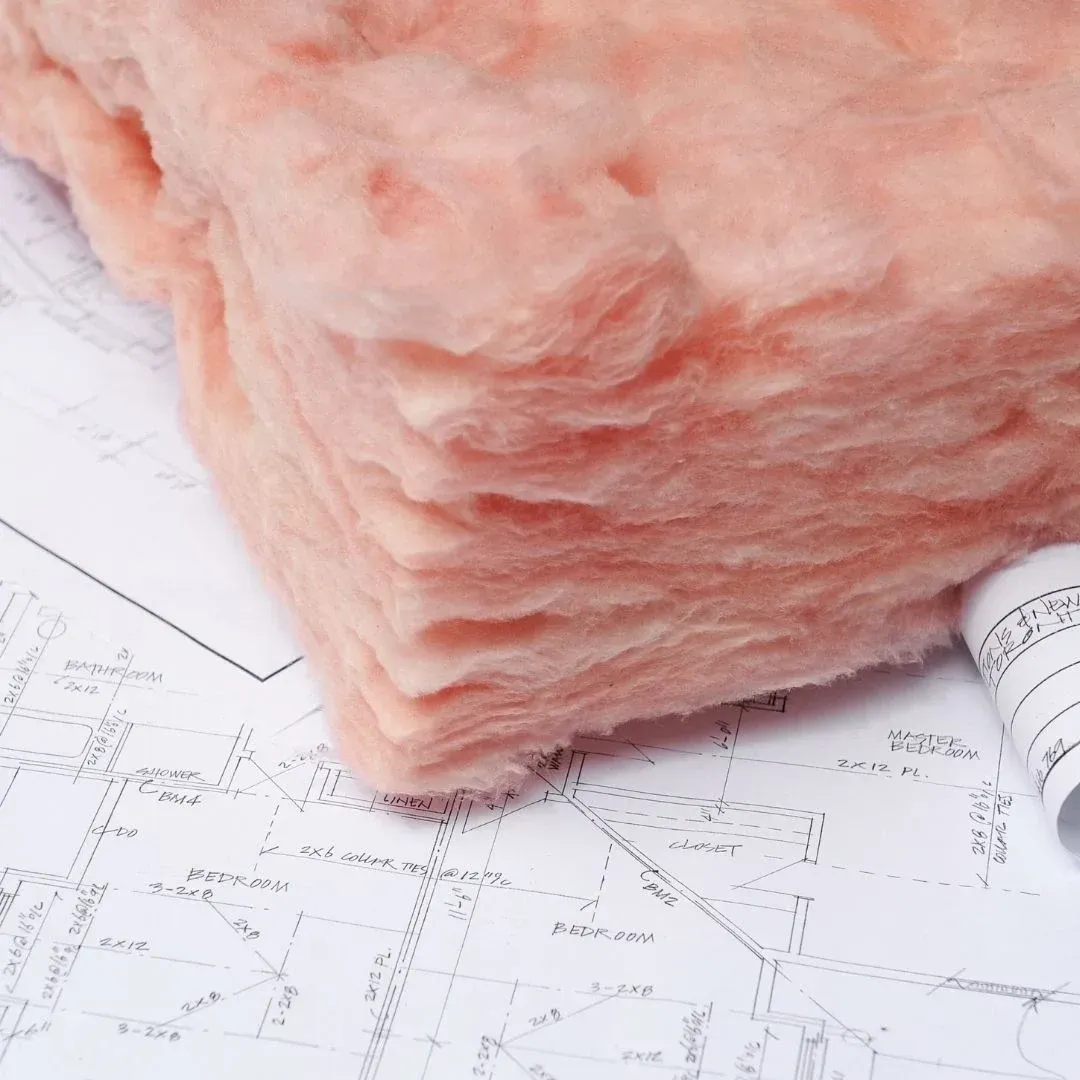
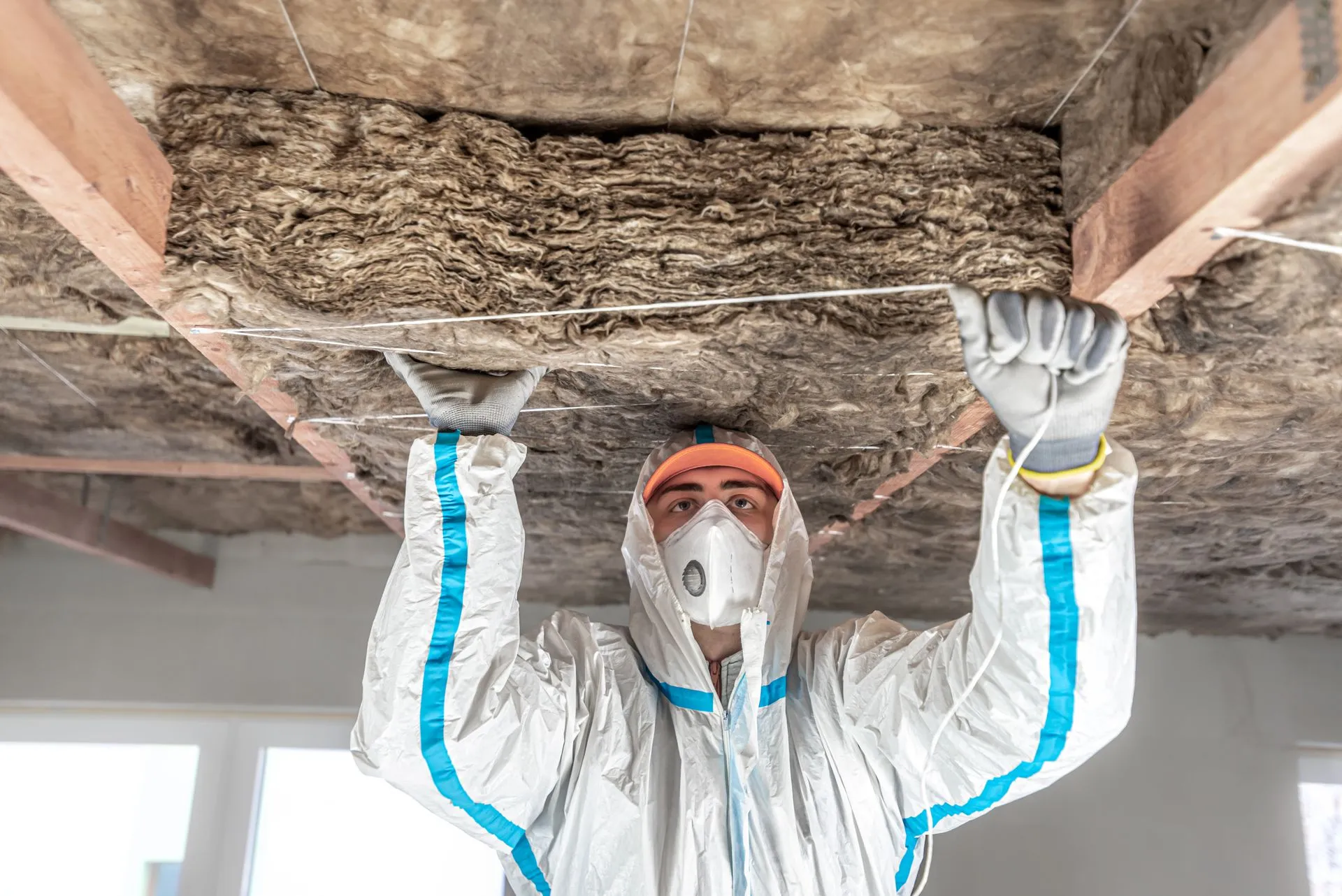
Fiberglass fails in metal buildings because it does not block vapor. It only slows heat. Moisture passes straight through the batt and condenses on the cold steel behind it, where you cannot see it happening.
Once that insulation gets wet, the damage builds on itself:
- The batt compresses and loses most of its R-value
- Rust forms on framing, panels, and fasteners
- Mold and mildew grow in the damp material
- Nearby wood components start to rot
- Your energy bills climb as the insulation stops working
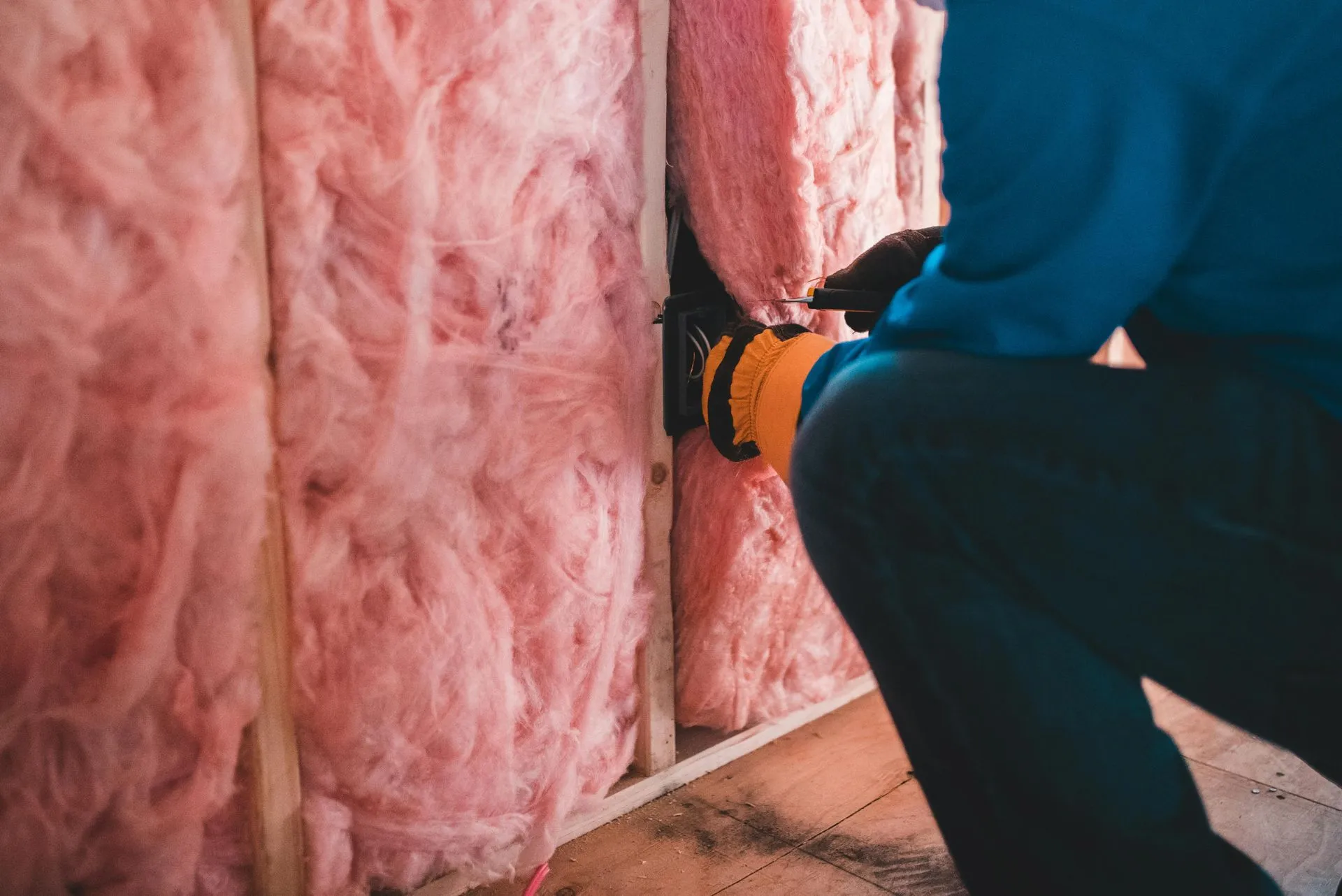
To be clear, fiberglass insulation is a solid, affordable choice in the right application, like a framed home with a proper vapor barrier. A bare steel wall is simply not that application.
Spray Foam vs Fiberglass for Metal Buildings
Here is how the two compare where it counts:
| Factor | Fiberglass Batts | Closed-Cell Spray Foam |
|---|---|---|
| Vapor control | None on its own | Acts as its own vapor retarder |
| Contact with steel | Leaves gaps where moisture collects | Bonds directly to the panel |
| Performance when wet | Drops sharply, rarely recovers | Not affected by moisture |
| Air sealing | Requires separate sealing work | Seals and insulates in one pass |
| Upfront cost | Lower | Higher |
| Long-term cost | Replacement plus rust repair | Lasts decades |
How Spray Foam Stops Condensation
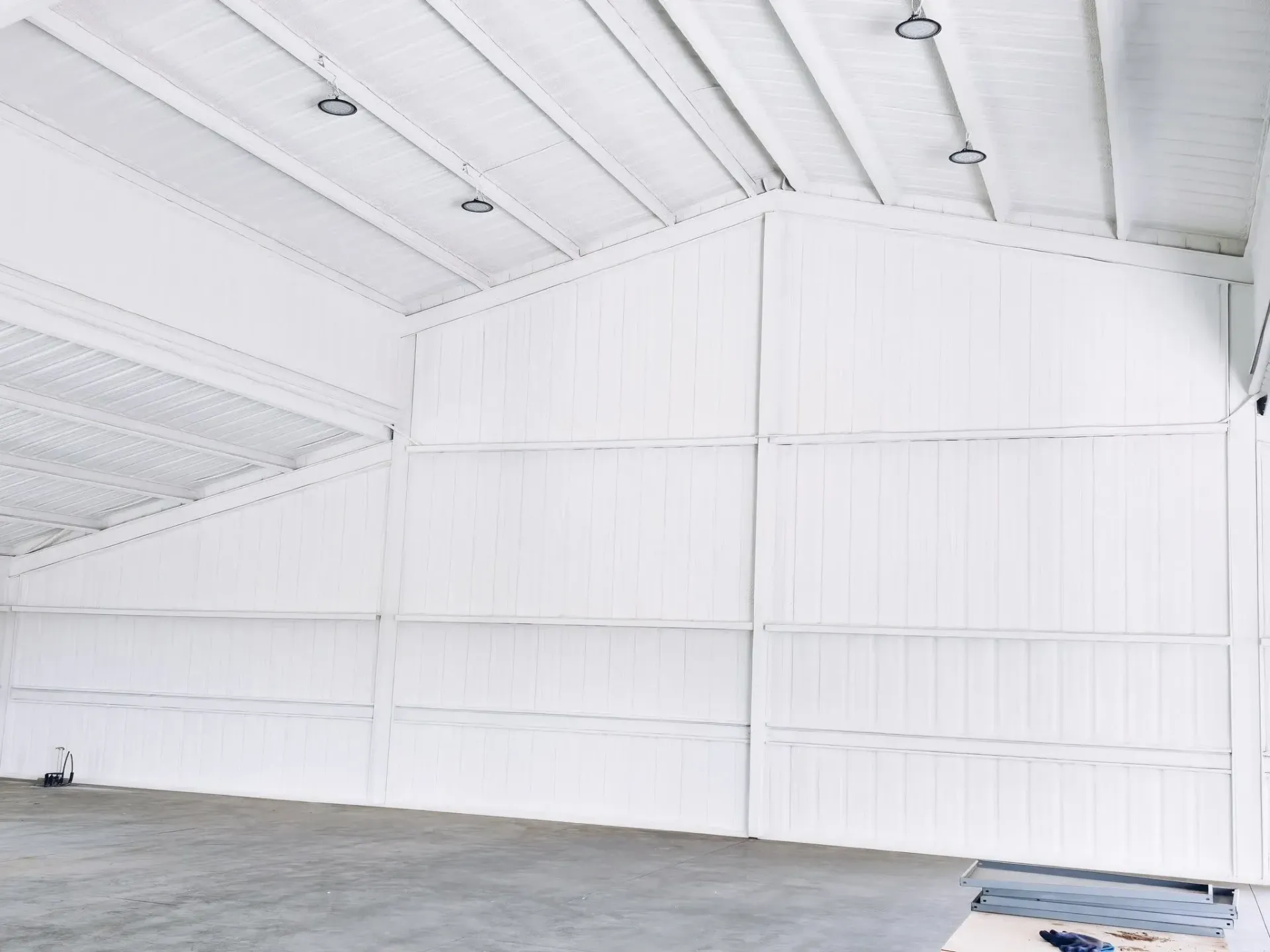
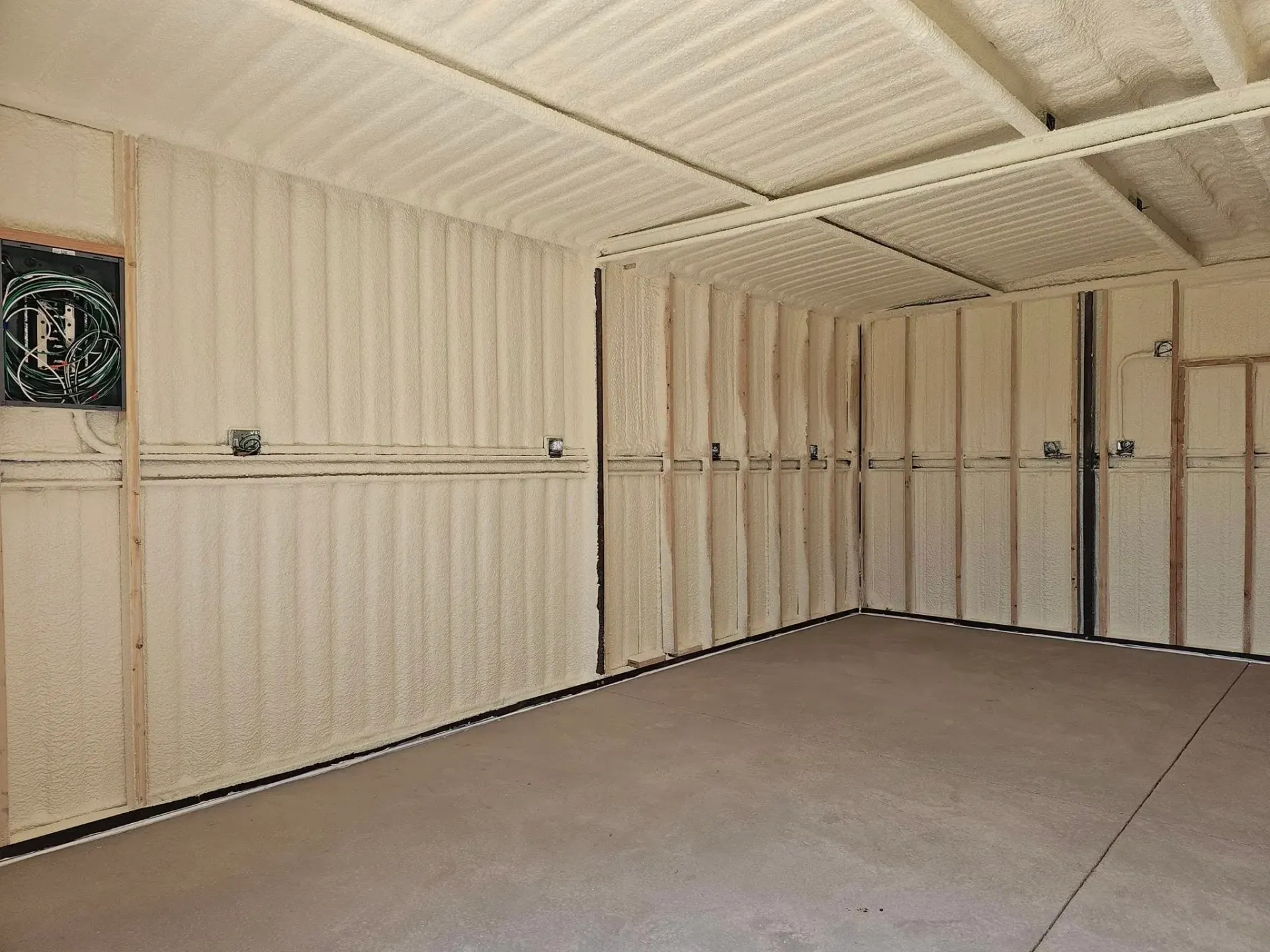
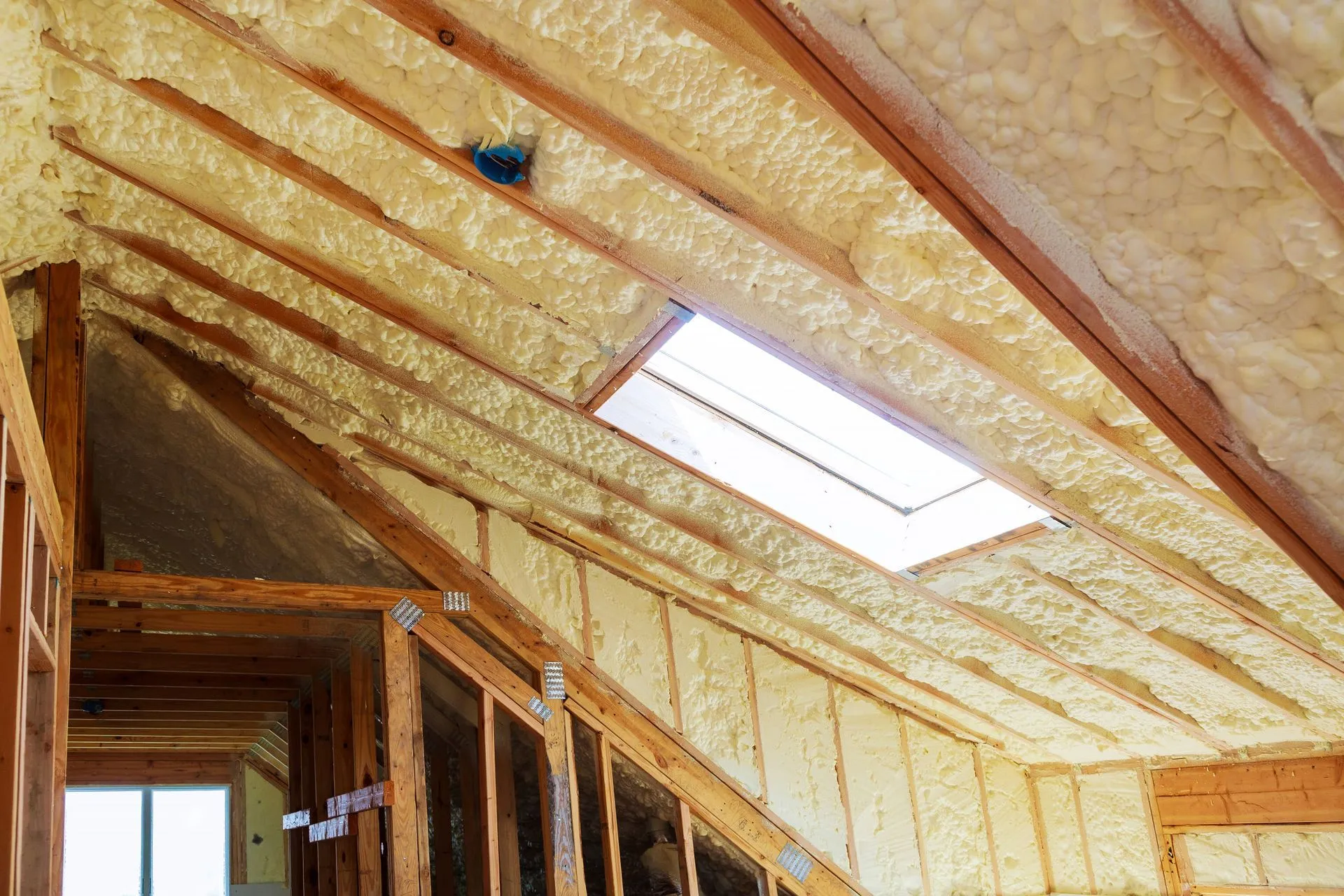
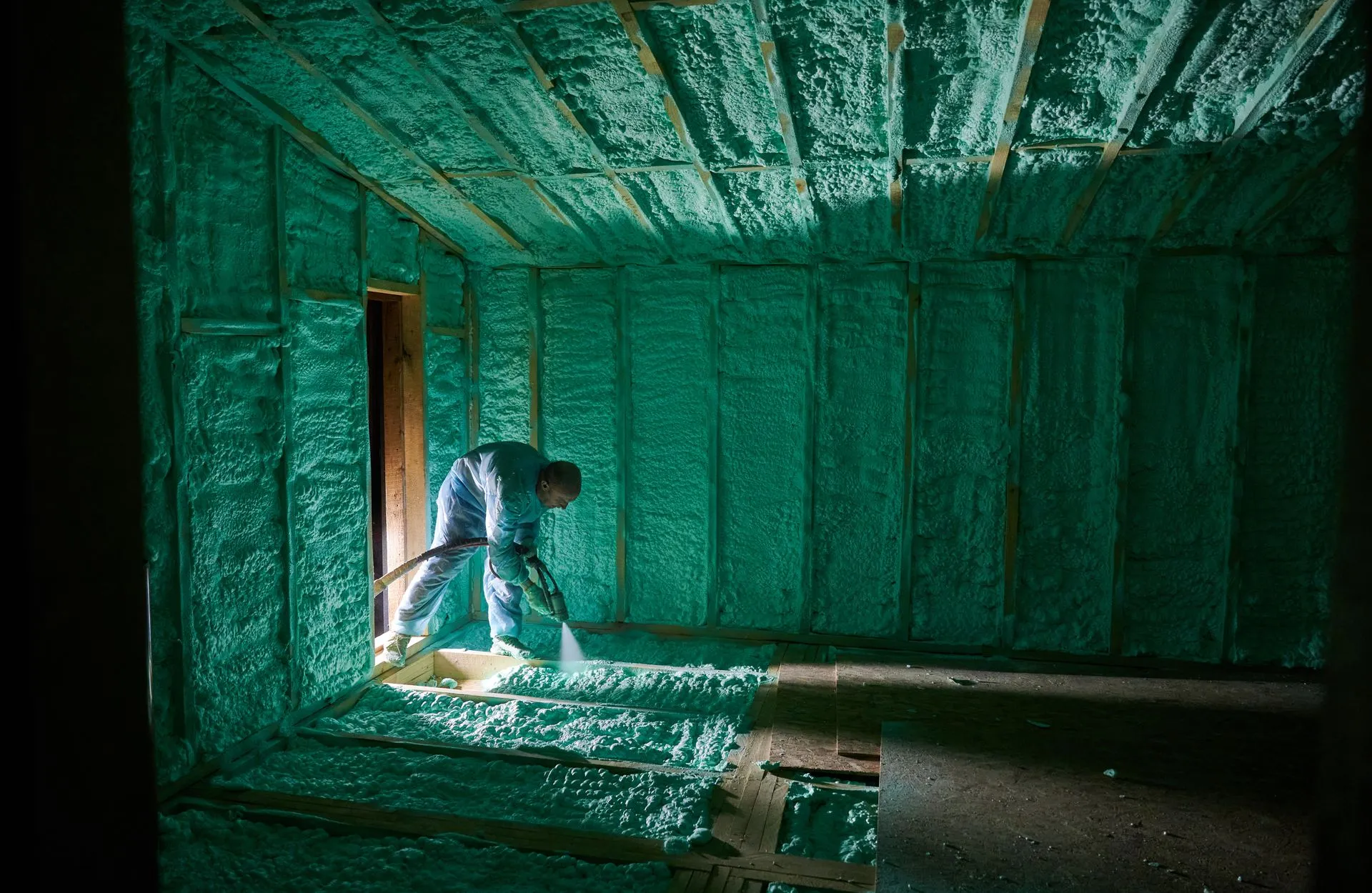
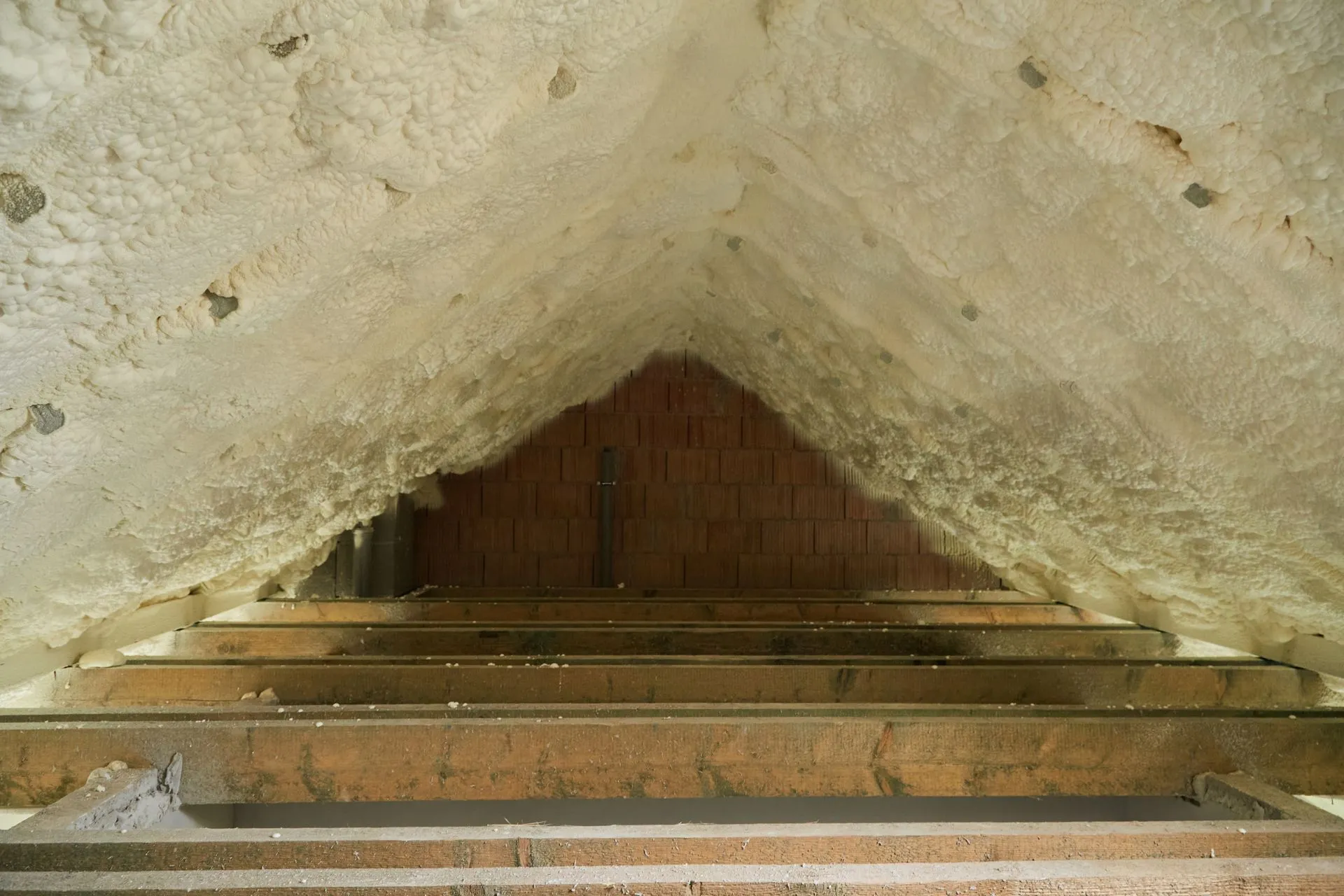
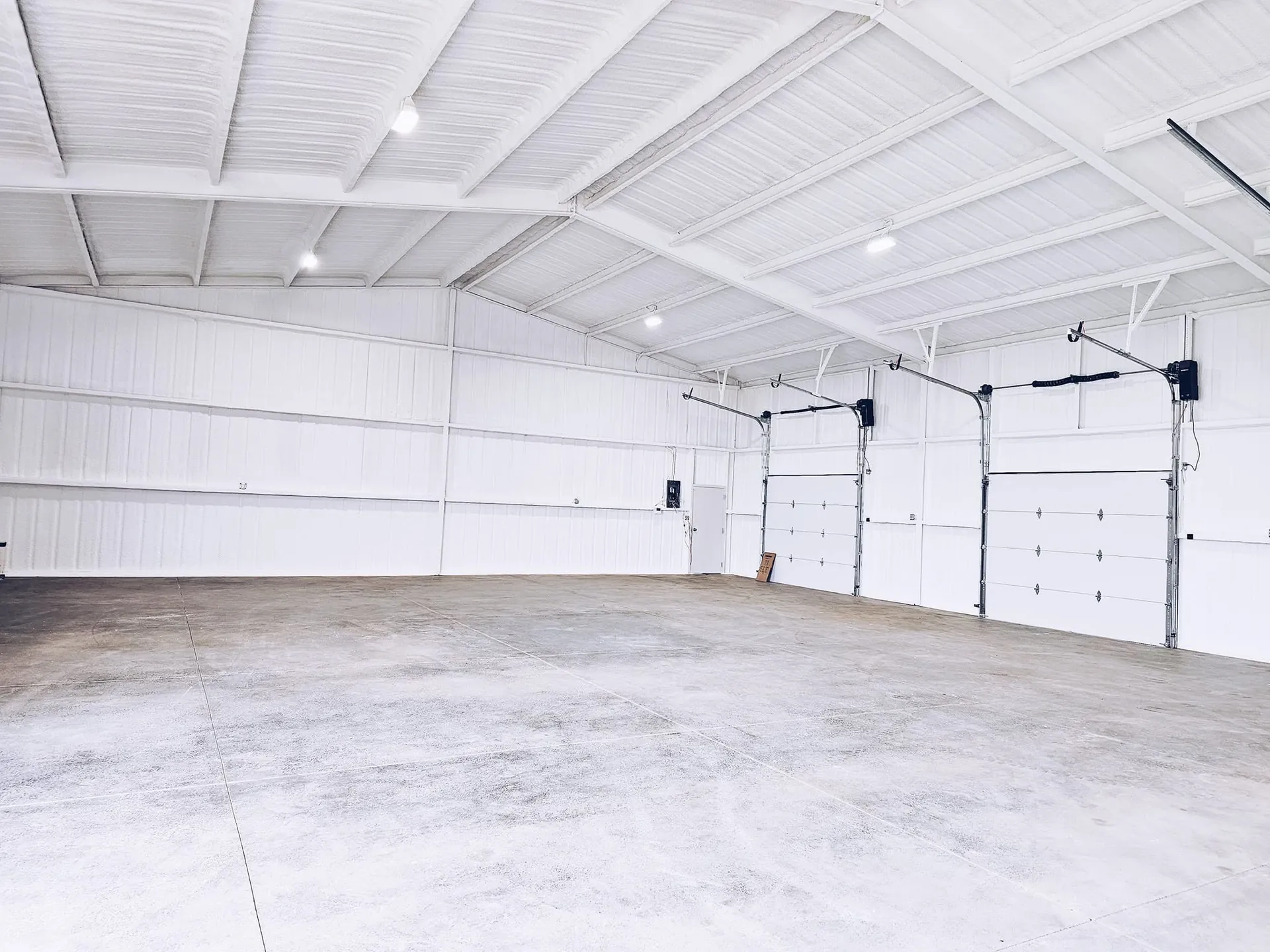
Spray foam stops condensation by removing the gap where it forms. The foam expands and bonds straight onto the steel, filling every seam, rib, and fastener point. Because warm indoor air never reaches the cold panel, the dew point moves into the foam itself instead of onto your wall.
That protection works both directions through the year. In summer it keeps your shop from turning into an oven. In fall and winter it keeps moist air off bare steel. For a deeper look at how this plays out on local jobs, see how spray foam protects metal buildings across Plainview and Lubbock.
If you are weighing this for your own building, our metal building spray foam insulation service covers both new steel structures and buildings that already have a sweating problem.
What You Actually Save
Sealing and insulating properly cuts real money off your bills. The EPA estimates homeowners save an average of 15% on heating and cooling costs, or about 11% on total energy costs, by air sealing and adding insulation. Metal buildings often do better than that, simply because they start from such a leaky baseline.
One thing has changed for 2026, though. The federal Section 25C tax credit that used to cover 30% of insulation and air sealing costs ended for anything installed after December 31, 2025. If you heard about that credit and were waiting, it is gone. The payback now comes from the energy savings and from avoiding rust repair, not from a tax break.
Warning Signs to Watch For
Check your building for these five signs, in this order:
- Water droplets or damp streaks on interior steel, especially after a cold night
- A musty smell when you first open the building in the morning
- Rust spots along seams, fasteners, or the base of wall panels
- Sagging or discolored batts that look darker than when they went in
- Cooling bills that keep climbing even though your usage has not changed
If two or more of these sound familiar, get the insulation looked at before the rust spreads. The same approach applies to houses, and these signs your home needs new insulation overlap closely with what we look for in a shop.
Why Local Owners Choose Duralock
We are based in Plainview and work throughout Lubbock and the surrounding area, so we know exactly what these buildings go through each season. Our insulation contractor walks your building before anything gets sprayed, plans the job around how you actually use the space, and oversees every step of the install himself.
We also handle buildings that were insulated wrong the first time. Pulling out saturated fiberglass and replacing insulation in an existing building fixes the sweating at its source rather than covering it up. We are open seven days a week, from 7:00 am to 7:00 pm, and estimates are free.
FAQs About Metal Building Insulation
Can fiberglass work in a metal building at all?
It can add some thermal resistance, but it has no vapor-barrier function. In a steel building, moisture condenses behind it and ruins both the insulation and the panel over time.
How fast does metal sweating cause damage?
It varies, but moisture builds up across repeated condensation cycles rather than all at once. Once the insulation is wet, however, its R-value drops quickly and rarely bounces back.
Is spray foam worth it for an older metal shop?
Yes. Many owners have the original fiberglass removed and spray foam installed specifically to end chronic sweating and rust.
Will insulating really lower my energy bills?
It will. Sealing a metal building against both heat transfer and air leakage takes a large load off your heating and cooling equipment year-round.
How soon can I use the building after installation?
Most spray foam installations are fully cured within 24 hours, so you can be back to work the next day.
Get Your Metal Building Inspected Before the Next Cold Snap
Do not wait for rust to show up on your framing. Call Duralock Spray Foam at (806) 685-0609 or reach out through our contact page for a free inspection and a straightforward quote on your metal building in Lubbock or Plainview.